How to Split Group Travel Costs Without the Drama
Group trips can strain relationships when money talks go sideways. Experts offer strategies to handle shared expenses before conflict erupts.
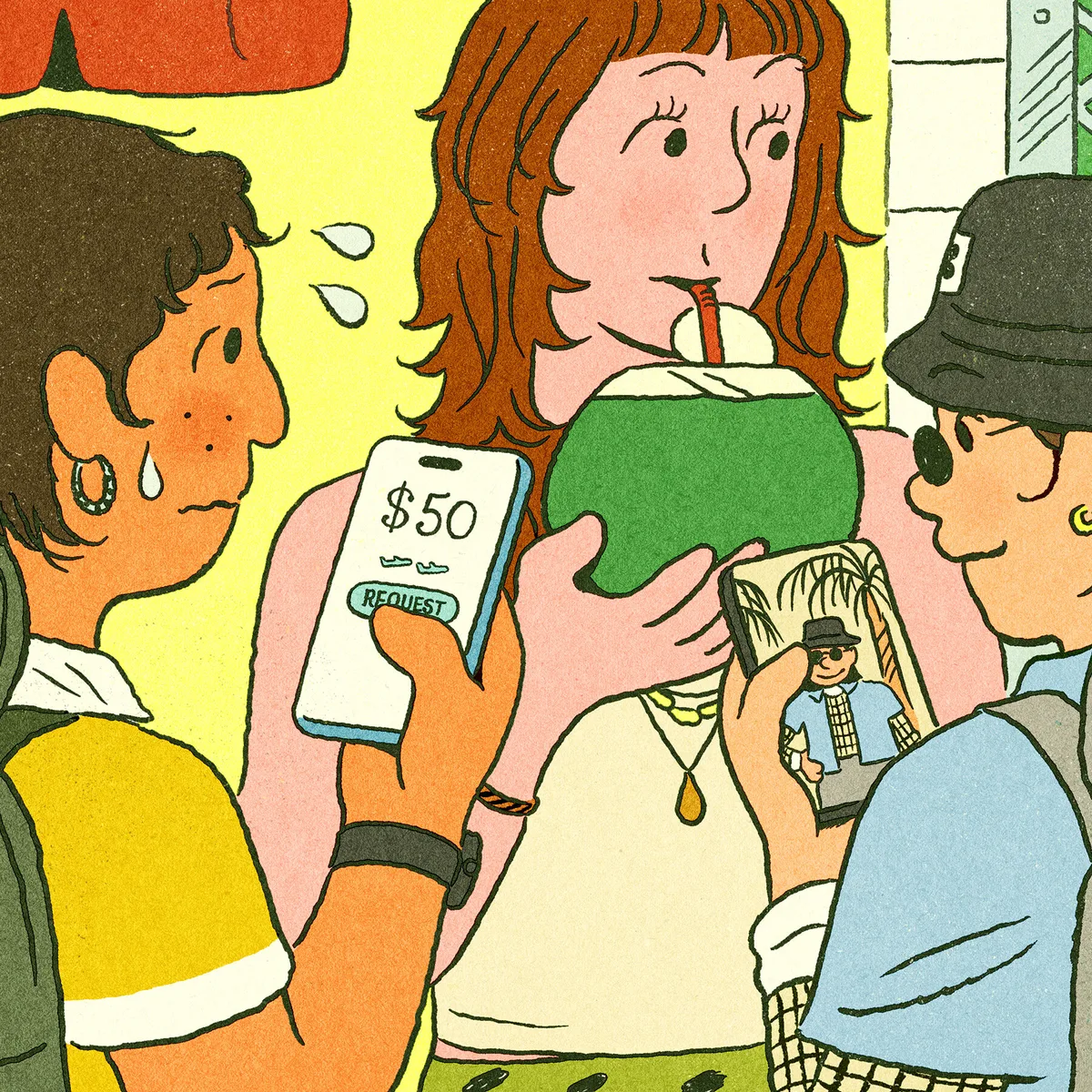
Group travel — whether a bachelorette weekend, a family reunion or a friends' retreat — carries a hidden risk beyond flight delays and hotel mishaps: money disputes that can permanently damage relationships. Navigating shared costs requires planning, candor and a willingness to address financial differences before they fester.
The core challenge is that travelers often arrive with vastly different budgets, expectations and assumptions about what the group will spend. One person may expect a budget-friendly itinerary while another envisions luxury dinners and premium excursions. Without an early conversation to align expectations, those gaps tend to surface at the worst possible moments — mid-trip, in front of everyone.
Read more Trump Administration Removes 750,000 From ACA Markets Over Fraud Claims →
Financial advisers and travel planners broadly recommend establishing a group budget before any bookings are made. Designating one person to track shared expenses, or using a dedicated app to log costs in real time, reduces the ambiguity that breeds resentment. Clear agreements on what is shared — accommodation, transportation, group meals — versus what is individual help prevent the perception that some travelers are freeloading or overspending at others' expense.
When income or spending comfort levels differ significantly among travelers, building in flexibility matters. Some groups adopt a tiered approach, allowing members to opt out of pricier activities without social penalty. Others pool a flat per-person contribution at the outset for communal costs and settle individual tabs separately, keeping the accounting clean and the dynamics friendlier.
The broader takeaway is that financial tension on group trips is rarely about money alone — it reflects deeper discomfort with confrontation and differing values around spending. Normalizing the money conversation early, rather than hoping it resolves itself, is the most reliable way to protect both the trip and the relationships involved. Continue reading at NYT > Business.