Paramount Clears Hurdle, Eyes Warner Bros. Discovery Merger
Paramount has prevailed over state efforts to block its Warner Bros. Discovery deal, positioning it to reshape the media landscape.
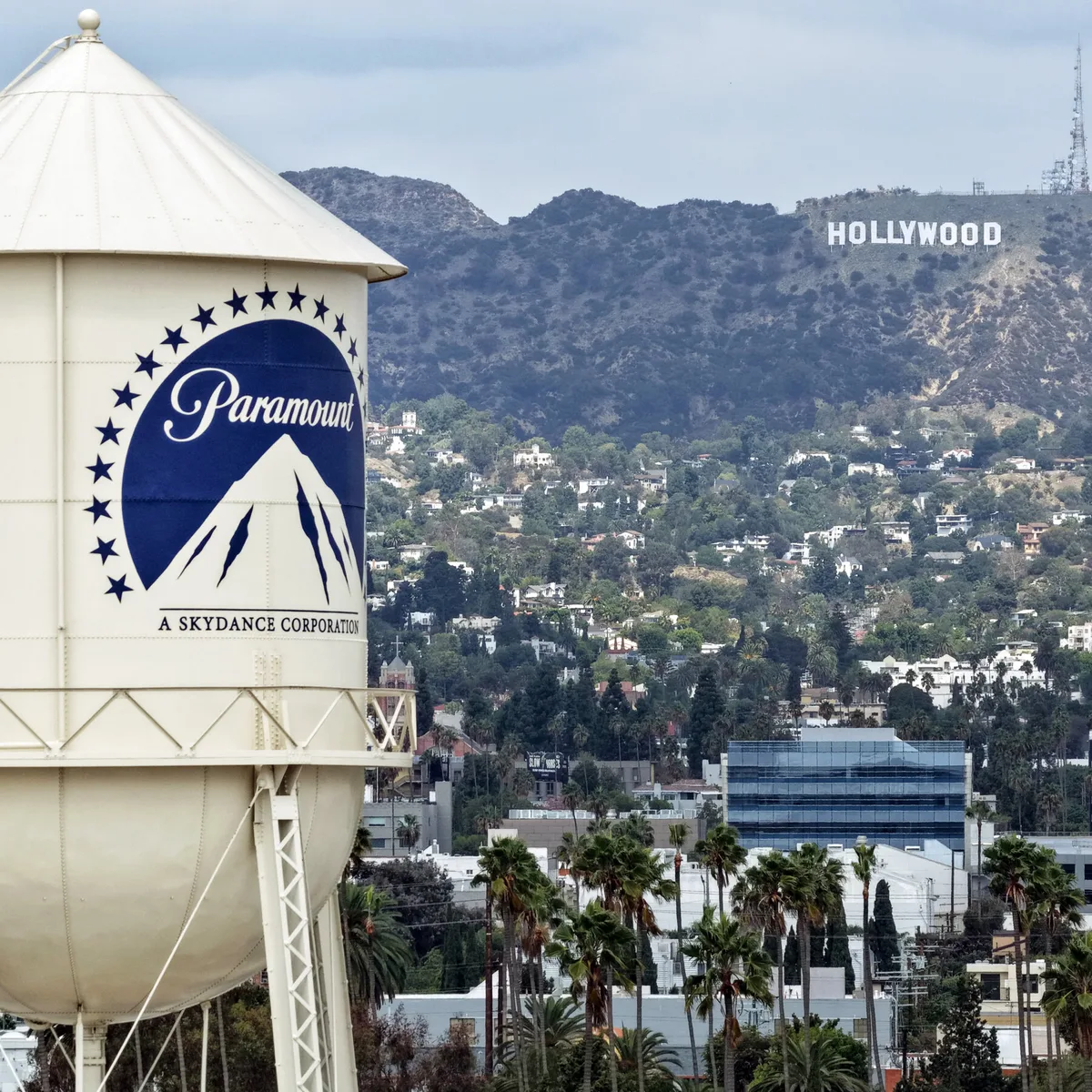
Paramount Global appears to have overcome a significant legal obstacle after states seeking to block its proposed deal with Warner Bros. Discovery failed to prevail, according to Hollywood observers. The outcome clears a path for one of the most consequential consolidations in modern media history.
The potential combination of Paramount and Warner Bros. Discovery would bring together two of Hollywood's storied studios along with a broad portfolio of cable networks, streaming platforms, and content libraries. Industry analysts have characterized the deal as a pivotal moment in an era defined by mounting pressure on legacy media companies to scale up against streaming giants such as Netflix and Amazon.
Read more Paramount's Ellison Reaches Deal to Clear Warner Bros. Acquisition →
State-level regulators had mounted efforts to halt the transaction, raising concerns that typically accompany large media mergers — including questions about market concentration and the fate of local broadcasting assets. That those challenges appear to have been turned back gives the companies greater latitude to advance their integration plans.
For Paramount, which has faced sustained financial pressure and a rapidly shifting competitive environment, a successful merger would represent a dramatic strategic reset. Warner Bros. Discovery itself has been navigating significant debt burdens and restructuring initiatives since its own formation through a merger in 2022. Together, the combined entity would control an expansive slate of intellectual property and distribution infrastructure.
What comes next — including regulatory review at the federal level, financing arrangements, and leadership structure — remains to be fully detailed. Hollywood observers are watching closely to see how the deal's architects plan to compete in a media market that continues to fragment. Continue reading at NYT > Business.